

How to Choose High-Quality Frozen Chicken Paws for Export
If you’re in the business of global poultry trade, chicken paws (also known as chicken feet) can be a lucrative commodity. But exporting high-quality frozen chicken paws requires careful evaluation from farm to freezer. This guide walks you through the essentials of how to choose high-quality frozen chicken paws for export, with practical checks you can implement today.
Visit Some High Quality Frozen Poultry Parts Ready For Export
Frozen Chicken Feet
Frozen Chicken Drumstick
Frozen Mid Joint Wing
Whole Frozen Chicken
FROZEN BEEF BRISKET
FROZEN BEEF FLANK
FROZEN BEEF SHANK
Frozen Pork Hock
Frozen Pork Feet
Frozen Pork Leg
Halal Frozen Turkey Breast
Halal Frozen Turkey Wings
Halal Frozen Duck Breast
Halal Frozen Duck Drumstick
Key reasons to focus on quality
- Consistent texture and flavor that meet buyer expectations
- Longer shelf life and fewer rejections at customs
- Better yield and lower waste for your customers
- Stronger brand reputation and repeat orders
How to Choose High-Quality Frozen Chicken Paws for Export: core criteria
1) Source and farm practices
- Traceability: demand full traceability from source farm to processing facility. Ask for farm IDs, lot numbers, and cycle dates.
- Poultry welfare: prefer suppliers that document humane handling, clean water, proper feed, and low-stress transport.
- Health status: ensure birds are raised in clean environments and vaccinated as per regional standards to minimize disease risk.
- Country of origin: some buyers prefer specific origins due to price, consistency, or regulatory alignment. Brazilian frozen meat suppliers bulk orders
2) Processing standards
- Slaughter and evisceration: look for humane, efficient processes that minimize contamination and preserve product quality.
- Cleaning protocols: paws should be thoroughly washed and sanitized; check for GMP (Good Manufacturing Practice) compliance.
- Pre-freezing handling: rapid freezing after processing helps preserve texture and reduces ice crystals.
- Deboning and trimming: if your market requires intact feet, verify whether paws are whole or trimmed, and confirm consistency across lots.
3) Packaging and labeling
- Packaging integrity: vacuum-sealed or airtight packaging protects against freezer burn and contamination.
- Bag or carton labeling: every package should include product name, country of origin, net weight, production date, expiry date, and batch/lot codes.
- Palletization: ensure palletization meets international standards for stability and stacking, with proper moisture and humidity controls.
4) Freezing method and temperature control
- Freezing method: quick-freeze (IQF) vs. blast freezing—IQF tends to deliver more uniform texture and less clumping.
- Storage temperature: target consistently at -18°C (0°F) or colder; fluctuations can compromise quality and shelf life.
- Temperature logs: request access to cold chain data or certificates showing maintained temps during transport.
5) Quality indicators in the product
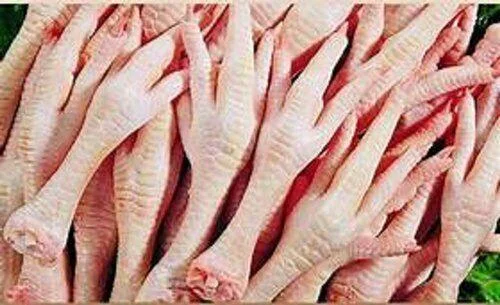
- Color and appearance: high-quality paws are clean, pale to light pink, and free from dark spots or freezer burn.
- Odor: should be neutral; off-odors may signal spoilage or improper storage.
- Texture: claws intact (if applicable), skin smooth, flesh firm, not mushy.
- Ice crystals: a small amount is normal, but excessive ice suggests thaw-refreeze cycles that degrade quality.
6) Certifications and standards
- HACCP and GMP: essential for any export-grade product.
- ISO 22000 or other food safety management systems.
- Export-specific certifications: depending on destination, buyers may require certificates like Health Certificate, Sanitary-Phytosanitary (SPS) certificates, or country-specific approvals.
- Species and product standards: verify that the product meets the importing country’s poultry product standards, labeling laws, and allergen considerations.
7) Packaging size, weight, and lot consistency
- Uniform weights: buyers prefer consistent carton weights for predictable shipping and pricing.
- Lot segmentation: tiny, clearly labeled lots help with traceability and quality control.
- Moisture content: excessive water weight can add cost and indicate improper processing; aim for low moisture without compromising safety.
8) Supplier reliability and support
- Documentation: ask for current COAs (Certificates of Analysis), health certificates, and testing results for microbial and chemical residues.
- Customer service: responsive communication, proactive issue resolution, and clear escalation paths.
- Samples: request representative samples before committing to a larger order, including multiple lots for consistency checks.
9) Logistics and export-ready readiness
- Incoterms and payment terms: align expectations on responsibilities, insurance, and risk transfer.
- Freight class and temperature-controlled options: confirm availability of appropriate cold-chain logistics (refrigerated containers or air cargo with validated cold chain).
- Customs clearance: ensure your supplier provides all necessary declarations and compliance documentation to minimize delays.
A practical checklist you can use today
- Source confirmation: Do you provide full farm-to-fork traceability? Can you share farm IDs and processing plant details?
- Quality inspection: Do you supply representative samples with COAs and microbial testing results?
- Packaging: Are paws vacuum-sealed in moisture-impermeable packaging? Are lot codes clearly printed?
- Freezing and storage: Is freezing rapid and uniform? Can you maintain -18°C or colder throughout transit?
- Certifications: Do you hold HACCP, GMP, ISO 22000, and country-specific export certifications?
- Documentation: Can you provide Health Certificate, Sanitary Certificate, and SPS documentation as required by the importing country?
- Lead times and reliability: What is the typical lead time, minimum order, and repeatability of supply?
- CHICKEN PAWS BRAZIL: If you’re sourcing from Brazil or targeting Brazilian buyers, ensure you meet CHICKEN PAWS BRAZIL-specific standards and labeling practices as requested by clients in that market.
Spotlight on CHICKEN PAWS BRAZIL
Brazil is a significant player in the global poultry supply chain. When sourcing or exporting CHICKEN PAWS BRAZIL, pay attention to:
- Compliance with Brazilian health and sanitation standards and the exporting country’s requirements.
- Clear Brazilian origin documentation and lot traceability to the farm level.
- Packaging that withstands long sea voyages and complies with destination country packaging and labeling rules.
- Partnering with Brazilian suppliers who demonstrate strong QA/QC programs and transparent testing results.
Common pitfalls to avoid
- Inconsistent freezing temperatures leading to freezer burn and texture degradation.
- Poor traceability that complicates recalls or quality investigations.
- Inadequate documentation causing customs delays or rejection.
- Over-promising on shelf life without backing data.
Conclusion
Choosing high-quality frozen chicken paws for export hinges on robust traceability, stringent processing standards, effective freezing and packaging, verifiable certifications, and reliable logistics. By evaluating suppliers against this framework and asking for solid documentation and samples, you can reduce risk and build a reputation for quality in the CHICKEN PAWS BRAZIL market and beyond.
If you’d like, I can tailor this guide to your target destination or help draft a supplier evaluation form to streamline your next sourcing trip.